The Future of Tokenized Assets
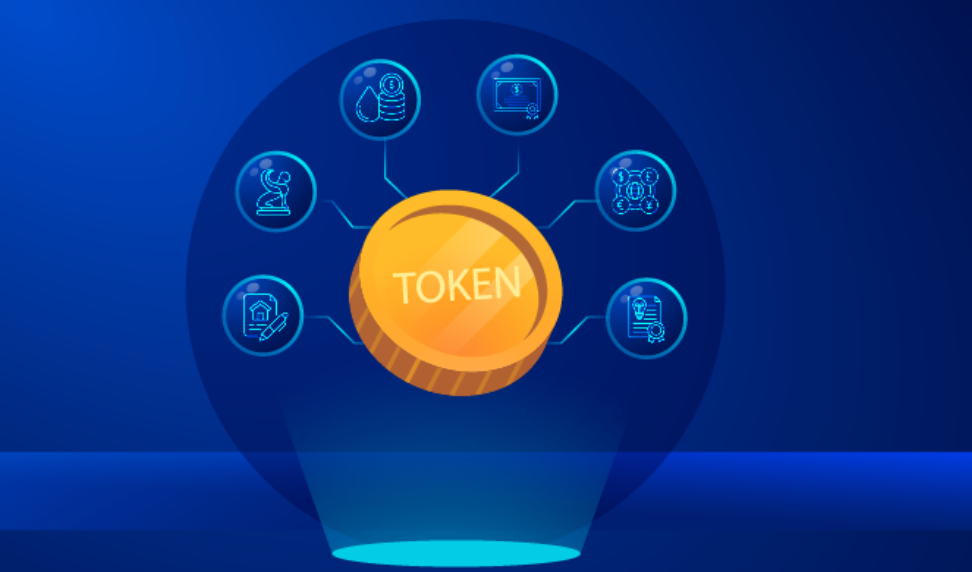
The future of tokenized assets presents a significant shift in the financial landscape. As digital ownership gains traction, the mechanisms of tokenization promise enhanced accessibility and liquidity. Regulatory frameworks are adapting, potentially empowering individuals with greater control over their investments. However, complexities and challenges remain inherent in this process. Understanding these dynamics will be crucial for stakeholders as they navigate the evolving environment of tokenized investments. What implications will this have for traditional finance?
Understanding Tokenization and Its Mechanisms
Tokenization represents a transformative approach in the management and exchange of assets, leveraging blockchain technology to enhance transparency and security.
By adhering to established token standards, digital representations of assets undergo a process of asset digitization, allowing for fractional ownership and increased liquidity.
This innovative mechanism facilitates real-time transactions, empowering individuals with greater control over their assets and promoting a decentralized financial landscape.
See also: The Role of Technology in Modern Society
Benefits of Tokenized Assets in Modern Finance
As financial markets evolve, the integration of tokenized assets presents numerous advantages that can enhance both accessibility and efficiency.
Notably, liquidity enhancement is achieved through the ability to trade assets in real-time on decentralized platforms.
Additionally, fractional ownership allows investors to partake in high-value assets with minimal capital, democratizing investment opportunities and fostering a more inclusive financial landscape that aligns with the principles of freedom and autonomy.
Challenges and Risks in the Tokenization Process
While the potential of tokenized assets is significant, a range of challenges and risks complicates their implementation.
Regulatory hurdles often hinder progress, creating uncertainty in compliance. Market volatility poses risks for investors, while technological limitations can impede scalability and integration.
Additionally, security concerns surrounding smart contracts and digital wallets raise questions about asset safety, underscoring the complexities inherent in the tokenization process.
The Future Landscape of Tokenized Investments
Although the landscape of investments is constantly evolving, the rise of tokenized assets is poised to reshape traditional financial paradigms significantly.
Decentralized finance will enhance market accessibility, enabling broader investment diversification. Regulatory frameworks will adapt to uphold digital ownership, while technological innovation drives liquidity enhancement.
Consequently, asset valuation will become more transparent, positioning tokenized investments as a pivotal force in the future financial ecosystem.
Conclusion
In conclusion, the evolution of tokenized assets represents a pivotal intersection of technology and finance, where enhanced liquidity coincides with increased accessibility. As regulatory frameworks adapt, they may simultaneously address the inherent challenges of digital ownership, fostering a more inclusive investment environment. This convergence not only empowers individual investors but also signals a broader shift toward innovation in financial systems. Ultimately, the future of tokenization could redefine the very essence of ownership, creating a landscape ripe for unprecedented opportunities.