The Role of Technology in Modern Society

Technology significantly influences various aspects of modern society. It alters how individuals communicate, enhancing interactions and accessibility. In workplaces, automation reshapes roles and boosts efficiency. Education experiences a shift with online learning platforms, expanding opportunities. Healthcare benefits from innovations like telemedicine. However, as these changes unfold, critical questions arise about their long-term implications on relationships and societal structures. What challenges and opportunities will emerge as technology continues to evolve?
The Impact of Technology on Communication
As technology continues to evolve, its influence on communication becomes increasingly profound, reshaping how individuals connect and interact.
Social media platforms and instant messaging have revolutionized interpersonal communication, fostering real-time exchanges across vast distances. This shift enables greater freedom of expression and access to diverse viewpoints, yet it also presents challenges, such as the potential for miscommunication and the erosion of face-to-face interactions.
Transformations in the Workplace
The influence of technology extends beyond personal communication, significantly transforming workplace dynamics and practices.
Remote working has become a viable option, allowing employees greater flexibility and autonomy.
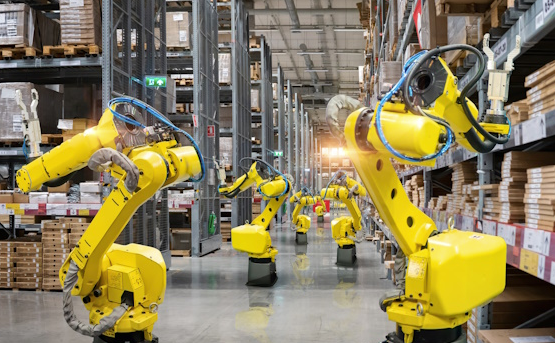
Simultaneously, automation trends streamline tasks, enhancing productivity while reducing human error.
These shifts foster an environment that prioritizes efficiency, empowering individuals to focus on creative problem-solving and innovative strategies, ultimately reshaping the future of work.
See also: The Role of Robotics in Industry
Advancements in Education
While technology has revolutionized various sectors, its impact on education is particularly profound, reshaping how knowledge is imparted and acquired.
Online learning platforms and virtual classrooms enable greater accessibility, allowing students to engage with diverse content and instructors from around the globe.
This democratization of education fosters independence and flexibility, empowering learners to tailor their educational experiences to their individual needs and aspirations.
Technology’s Influence on Healthcare
An unprecedented transformation in healthcare has emerged with the integration of technology, fundamentally altering patient care and medical practices.
Telemedicine benefits, such as increased accessibility and reduced costs, empower patients to engage in their health management.
Additionally, wearable devices facilitate continuous monitoring, delivering real-time data to both patients and providers, ultimately fostering a proactive approach to health that champions individual autonomy and informed decision-making.
Conclusion
In conclusion, technology’s pervasive influence permeates every aspect of modern society, from communication to healthcare. As it continues to evolve, it raises a critical question: how will these advancements shape our future interactions and societal structures? The transformative power of technology not only enhances efficiency and accessibility but also challenges individuals and organizations to adapt and innovate. Embracing this change is essential for fostering a more connected and empowered society, one that thrives on the potential of technological progress.