The Role of Robotics in Industry
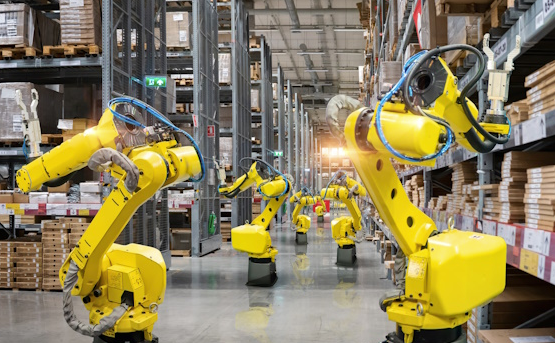
Robotics has become an integral component of modern industry, streamlining operations through automation. This technology enhances efficiency and precision while ensuring rigorous quality control. Furthermore, it plays a critical role in improving workplace safety by mitigating risks. As industries adapt to these advancements, the implications for workforce development and operational practices warrant careful examination. The evolving landscape raises important questions about the future of labor and innovation.
Enhancing Efficiency Through Automation
Automation revolutionizes industrial processes by streamlining operations and minimizing human intervention. This shift enables significant cost reduction while facilitating process optimization across various sectors.
Improving Precision and Quality Control
The integration of robotics not only streamlines operational efficiency but also significantly enhances precision and quality control within industrial settings.
By employing advanced automation techniques, organizations achieve stringent quality assurance standards, minimizing defects and variances.
Robotics enables precision engineering through consistent, repeatable processes, ensuring products meet exact specifications.
This technological advancement fosters an environment of continuous improvement, ultimately elevating product quality and customer satisfaction.
Ensuring Workplace Safety and Reducing Risks
Robotics plays a crucial role in enhancing workplace safety and mitigating risks across various industrial environments.
Through advanced robot monitoring systems and real-time hazard detection, industries can identify potential dangers before they escalate. These technologies not only protect human workers but also foster an atmosphere where operational efficiency is prioritized.
Consequently, organizations can pursue greater productivity while ensuring a safer working environment.
See also: pmuvoyance
Shaping the Future Workforce and Skills Development
As industries increasingly prioritize safety and efficiency through robotic integration, the focus shifts toward the evolving landscape of workforce skills and development.
Skill adaptation becomes essential, as employees must embrace new technologies and methodologies.
Effective workforce integration requires continuous training, fostering a culture of learning, and encouraging innovation, ultimately preparing workers to thrive in an environment defined by advanced robotics and automation.
Conclusion
In conclusion, the transformative impact of robotics on industry is nothing short of revolutionary, propelling organizations into a new era of unparalleled efficiency and precision. By automating tasks with breathtaking accuracy and enforcing stringent quality controls, these advanced systems not only minimize human error but also elevate safety standards to unprecedented heights. As industries relentlessly evolve, the imperative for a skilled workforce becomes paramount, heralding an age of continuous innovation that will redefine operational excellence for generations to come.